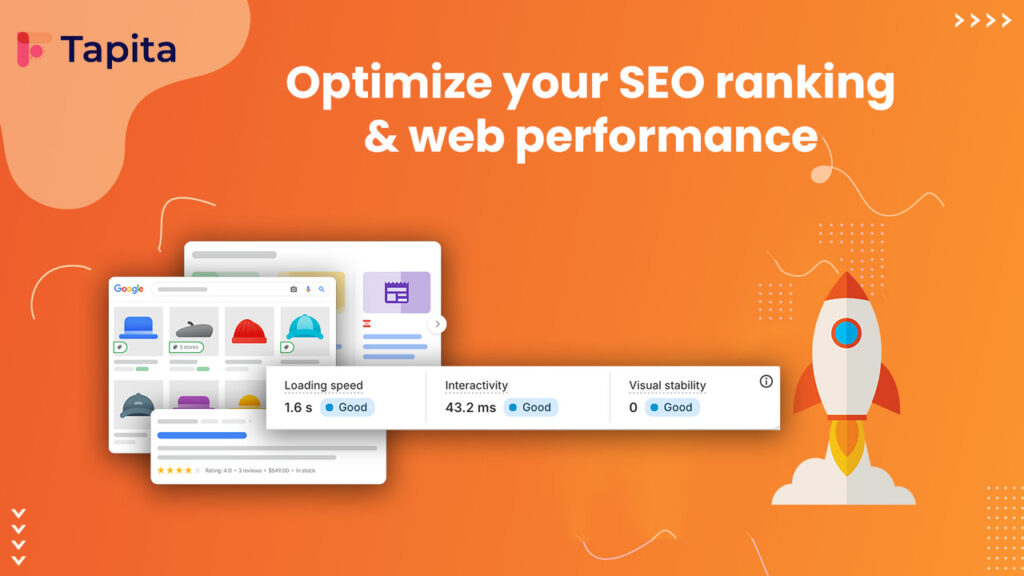
Boost Your Store SEO & Site Speed for Better Conversion and Sales in 2026.
A few months ago, I came across a small online store owner who was honestly frustrated.
She had beautiful products.
Her store looked decent.
She was posting consistently on social media.
But sales were painfully slow.
The strange part?
People were actually visiting her website.
The problem was that most visitors left before even viewing the products properly.
Some pages loaded slowly.
Product images took forever to appear.
Google barely ranked her pages.
And on mobile phones, the site felt heavy and difficult to use.
At the beginning, she thought the problem was her products.
But it wasn’t.
The real issue was her store SEO and site speed.
And this is where many beginners struggle without realizing it.
Why Most Online Stores Struggle to Get Sales
When I first started learning about eCommerce websites, I thought traffic alone was enough.
But traffic means very little if:
- Your pages load slowly
- Google cannot understand your store properly
- Product pages are missing SEO details
- Images are too large
- Broken links exist
- Visitors leave before the page opens
This happens more often than people think.
A lot of beginners focus only on designing the store.
They install themes.
Upload products.
Post on social media.
Then they wait for sales.
But behind the scenes, the website may have serious SEO and speed problems hurting visibility and conversions.
And honestly, most store owners don’t even know these issues exist.
Why Site Speed Matters More Than You Think
Think about your own behavior online.
If a website takes too long to load, what do you do?
You leave.
Most people do the same thing.
A slow store creates frustration immediately.
Especially on mobile devices.
Even a few extra seconds can reduce conversions badly.
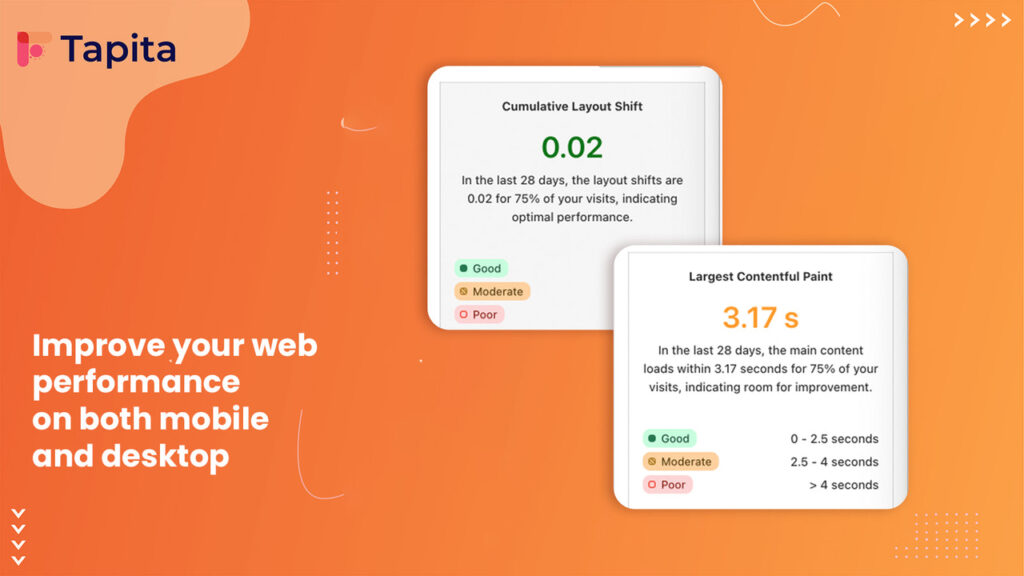
Google also considers page speed when ranking websites.
So if your store is slow, you may struggle with:
- Lower Google rankings
- Fewer visitors
- Higher bounce rates
- Lower sales
- Poor mobile experience
This is why optimizing your store speed is not optional anymore.
It directly affects money.
SEO Problems Beginners Usually Ignore
I remember struggling with SEO because it sounded too technical.
Words like schema, metadata, indexing, and structured data can scare beginners.
So many people ignore SEO completely.
Others make common mistakes like:
- Using random product titles
- Not adding image ALT text
- Forgetting meta descriptions
- Leaving broken links unfixed
- Using huge image sizes
- Publishing duplicate content
- Ignoring Google Search Console errors
Over time, these small issues pile up.
And your store becomes harder for Google to trust and rank.
A Simple Way to Improve Store SEO and Speed
The good news is that you do not need to be a developer.
You also do not need coding skills to improve your store.
The process becomes much easier when you focus on small practical improvements.
Here’s a beginner-friendly approach.
Step 1: Start With an SEO Audit
Before fixing anything, you need to know what is broken.
This is where many store owners guess instead of checking actual problems.
An SEO audit helps you identify:
- Missing metadata
- Slow-loading pages
- Broken links
- SEO errors
- Mobile performance issues
- Missing image ALT text
- Google indexing problems
At this point, using a tool like Tapita AI SEO Optimizer can make this easier.
Instead of manually checking every page, the tool scans your store and highlights issues clearly.
That alone can save beginners a lot of confusion.
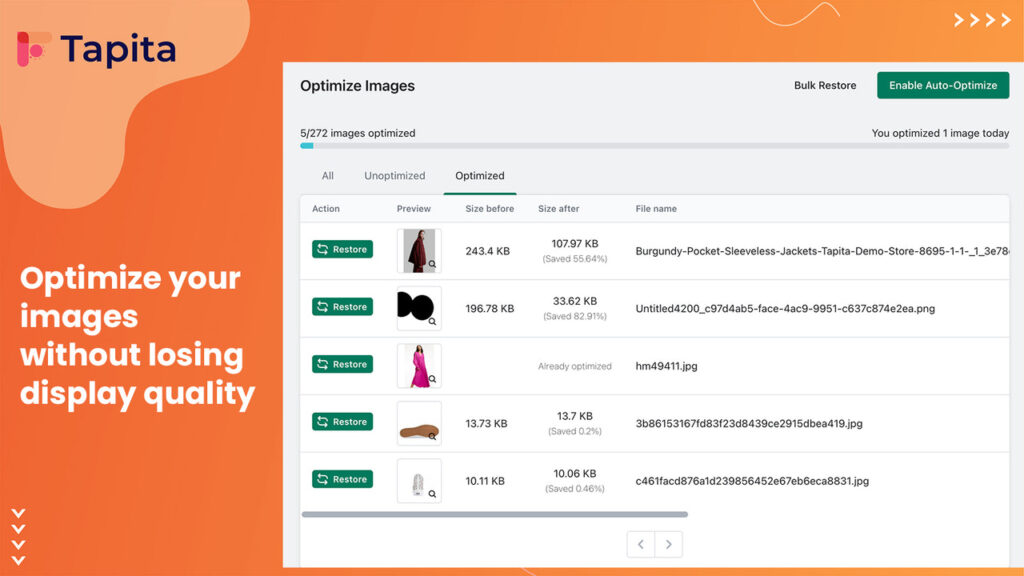
Step 2: Optimize Your Images
Large images are one of the biggest reasons online stores become slow.
Many people upload high-quality photos directly from their phones or cameras without compressing them.
The result?
Heavy pages.
Slow loading times.
Poor mobile experience.
A good practice is to compress images before or during upload.
Tools like Tapita AI SEO Optimizer include image optimization features that help reduce image size automatically without ruining quality.
This is especially useful if your store has many products.
Step 3: Fix Broken Links
- Broken links quietly damage user experience and SEO.
- Imagine clicking a product page and seeing “404 Page Not Found.”
- Visitors lose trust quickly.
- Google also notices these issues.
Many beginners never check for broken links after deleting products or changing URLs.
This is another area where automation helps.
Some SEO tools can detect broken links and automatically redirect them properly.
That improves both user experience and search rankings.
Step 4: Improve Product SEO
A lot of product pages are missing basic SEO details.
Simple improvements can make a huge difference.
Use Clear Product Titles
Instead of:
“Cool Shoes”
Try:
“Men’s Lightweight Running Shoes for Gym and Walking”
Clear titles help both Google and customers understand the product.
Add Meta Descriptions
Meta descriptions help people decide whether to click your page in Google search results.
Keep them simple and natural.
Add Image ALT Text
ALT text helps Google understand your images.
It also improves accessibility.
Instead of leaving image names as:
IMG_4839.jpg
Rename them properly.
Example:
black-running-shoes-men.jpg
Small changes like this matter over time.
Step 5: Focus on Mobile Users
Most visitors now browse stores using phones.
But many websites are only tested on desktops.
Always check:
- Text readability
- Button sizes
- Mobile loading speed
- Product image display
- Checkout experience
A store that feels smooth on mobile usually converts better.
How AI Tools Are Making SEO Easier
One reason beginners avoid SEO is because it feels overwhelming.
That’s changing now.
AI-powered tools can simplify many technical tasks.
For example, Tapita AI SEO Optimizer includes features like:
- AI metadata generation
- SEO audits
- Keyword suggestions
- Speed optimization
- Schema setup
- Bulk image ALT generation
- Broken link fixes
- Google error detection
The helpful part is that many tasks become one-click processes.
That reduces the learning curve for beginners.
What I Personally Like About Tools Like This
One thing I noticed from store owners using tools like Tapita is that they appreciate simplicity.
Not everyone wants to become an SEO expert.
Some people simply want:
- Faster pages
- Better rankings
- Fewer technical headaches
- Better user experience
And that’s understandable.
The interface is beginner-friendly, and many users mention that support teams guide them through problems step-by-step.
One store owner even shared that they originally installed the app for speed optimization but later realized the SEO features were helping increase visitors too.
Another user mentioned how customer support helped fix missing brand icons and SEO issues affecting Google rankings.
Those kinds of practical improvements matter more than fancy marketing promises.
Honest Pros and Cons
No tool is perfect.
So it’s important to be realistic.
Pros
- Beginner-friendly
- No coding required
- Combines SEO and speed optimization
- Helpful automation features
- Good for Shopify stores
- Free plan available
- Helpful customer support
- Saves time
Cons
- Advanced users may still want manual control
- Some features require paid plans
- SEO results still take time
- Not a “magic button” for instant sales
And honestly, this tool may not be ideal for people who already have a full professional SEO team managing everything manually.
But for beginners and growing stores, it can remove a lot of stress.
Practical Tips Most People Ignore
Here are a few simple things many store owners overlook.
Keep Product Pages Simple
Too many popups and animations slow down stores.
Clean pages usually perform better.
Remove Unused Apps
Extra apps can secretly slow your website.
Delete tools you no longer use.
Compress Images Before Uploading
Even if you use optimization tools, starting with smaller images still helps.
Check Your Store Monthly
SEO problems can appear over time.
Do regular audits.
Improve Collection Pages Too
Many people optimize only product pages.
Collection pages also rank in Google.
Don’t ignore them.
Write Helpful Product Descriptions
Avoid copying descriptions from suppliers.
Unique content helps SEO.
Is the Free Plan Enough?
For many beginners, yes.
The free plan already includes useful features like:
- Basic SEO audit
- Metadata optimization
- Image compression
- Instant speed checks
- Support access
That’s enough for many small stores starting out.
As your store grows, advanced plans may become useful if you need:
- More automation
- Larger image optimization limits
- Advanced speed improvements
- Unlimited keyword research
- Full SEO issue fixing support
Soft Recommendation
If managing SEO and speed feels confusing right now, tools like Tapita AI SEO Optimizer can simplify the process a lot.
Especially if you’re running your store alone.
If you want to try it, I’ve included the link below.
If not, the methods in this article still work when done manually.
The important thing is simply starting.
Conclusion:
At the beginning, SEO and site optimization can feel intimidating.
There are many technical terms.
Many moving parts.
And honestly, it’s easy to feel stuck.
But improving your store does not need to happen overnight.
Start small.
Fix one issue at a time.
Improve your images.
Check your speed.
Optimize your product pages.
Make your store easier for both people and Google to understand.
Those small improvements add up over time.
And most importantly, don’t assume poor sales always mean bad products.
Sometimes the real problem is simply that your store is slow, difficult to discover, or frustrating to use.
Once you improve those areas, conversions often improve naturally too.
FAQs
Does site speed really affect sales?
Yes. Slow websites often cause visitors to leave before buying anything. Faster stores usually provide a better user experience, which can improve conversions.
Can beginners improve SEO without coding?
Absolutely. Many SEO tasks today can be done using beginner-friendly tools and simple optimization steps.
How long does SEO take to show results?
SEO usually takes time. Some improvements may appear within weeks, while larger ranking changes can take several months depending on competition and consistency.
Is Tapita AI SEO Optimizer only for large stores?
No. Small and beginner stores can also benefit from it, especially because of the free plan and beginner-friendly setup.
What is the biggest SEO mistake beginners make?
Ignoring technical SEO completely. Many people focus only on posting products and forget about page speed, metadata, image optimization, and broken links.
Do I need paid SEO tools to rank on Google?
Not always. You can improve SEO manually. But tools can save time, simplify technical work, and help identify hidden issues faster.